Sic Bo Betting Decisions Based on Probability
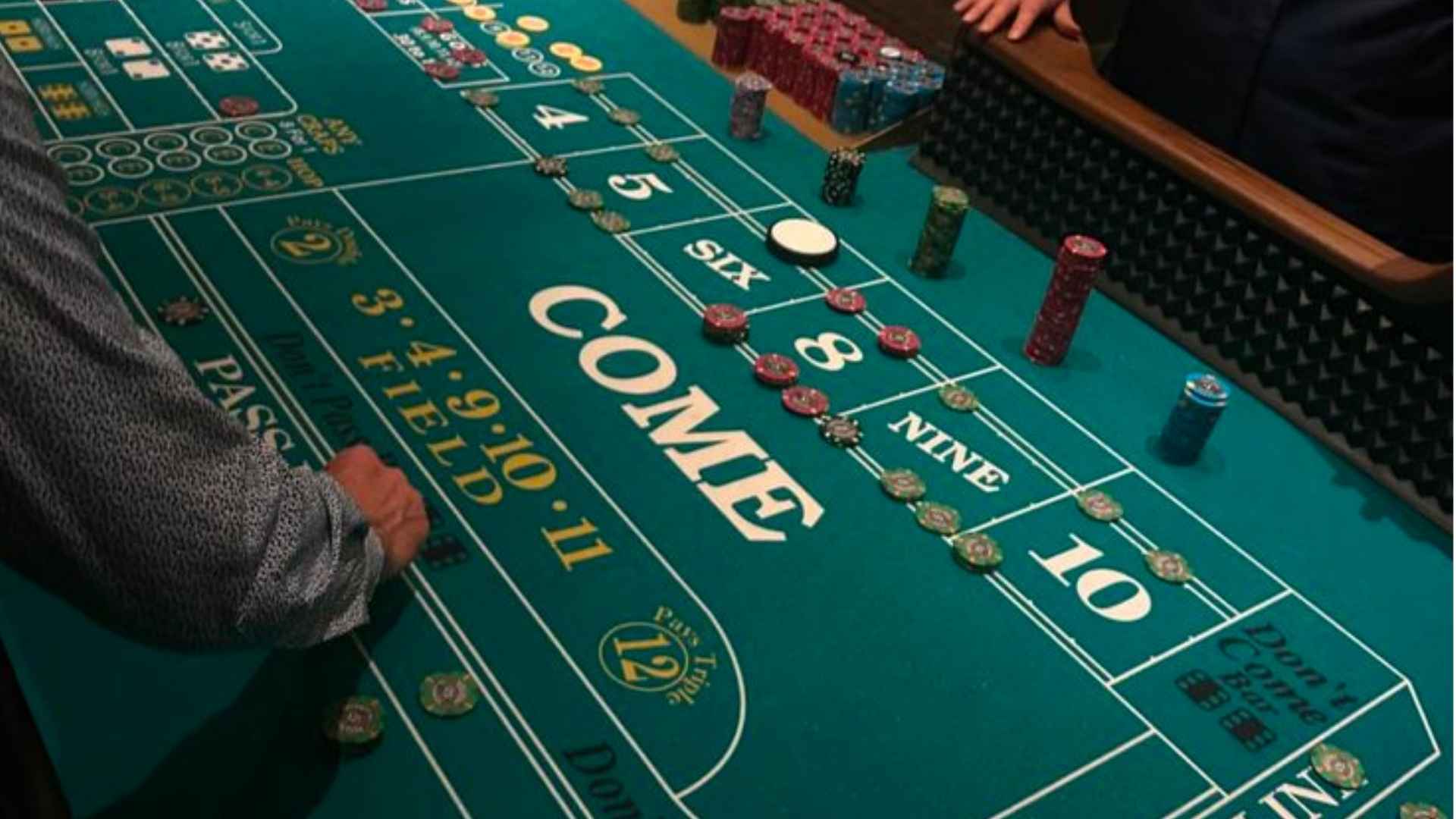
Sic Bo is a popular casino dice game that relies entirely on the random outcomes of three shaken dice. While luck determines the exact result of any given roll, understanding the mathematical likelihood behind different combinations can significantly influence how players approach the table grid. By evaluating the underlying probabilities, individuals can move away from pure guesswork and transition into structured decision-making processes.
The Mathematical Reality of Three Dice
Every single roll in a traditional game of Sic Bo involves exactly three standard six-sided dice working together. Because each die is independent, there are a total of 216 unique permutations that can occur when they tumble inside the glass shaker. Understanding how these combinations form specific sums allows analytical minds to separate high-likelihood outcomes from rare events.
For example, sums like ten and eleven have the highest number of favorable permutations, making them statistically more frequent than outer boundaries like four or seventeen. Recognizing these statistical distributions gives participants a realistic framework for what to expect during their sessions. It removes the illusion of predictability and focuses choices entirely on the laws of variance.
Balancing High and Low Risk Options
The layout of the betting board is explicitly structured around distinct mathematical risk profiles, offering different payouts accordingly. The most stable propositions available are the Small and Big options, which cover specific numerical ranges while excluding triples. These choices have a nearly fifty percent probability of occurring, making them popular among players prioritizing longevity.
Conversely, targeting specific totals or betting on triples carries much longer odds but offers significantly higher potential rewards. While these high-yield choices are enticing, their low probability of appearing means they can quickly deplete an unstructured gaming bankroll. Balancing your overall portfolio by combining steady low-risk wagers with selective high-yield bets is a practical approach.
Applying Probability to Payout Analysis
In any casino setting, the house edge is directly calculated based on the difference between the true probability of an event and its corresponding payout ratio. Wagers with a lower house advantage naturally give players a more sustainable experience over extended periods of play. Exploring reliable digital platforms like M88 Bet allows individuals to study these diverse payout distributions safely in active environments.
By comparing the risk and reward metrics across the board, participants can establish rational session goals based on facts rather than emotional impulses. Understanding these margins helps prevent common psychological pitfalls, such as chasing losses on combinations that have a very low statistical likelihood. Knowledge of the math remains the ultimate tool for navigating any active layout.
Structured Habits for Long Term Play
Successful engagement with games of chance always requires strict discipline alongside mathematical awareness. Setting clear financial limits before joining a session ensures that your choices remain objective regardless of short-term streaks. Since the dice possess no memory, every round must be treated as a completely fresh probability event.
Utilizing free online demo versions can also provide a risk-free platform to test different wagering frequencies and styles. Observing how variance behaves over hundreds of simulated rolls naturally builds your overall table confidence. Ultimately, making informed decisions based on calculated probabilities transforms the dynamic into a highly disciplined form of entertainment.