Mobile Games with Engaging Battle Mechanics
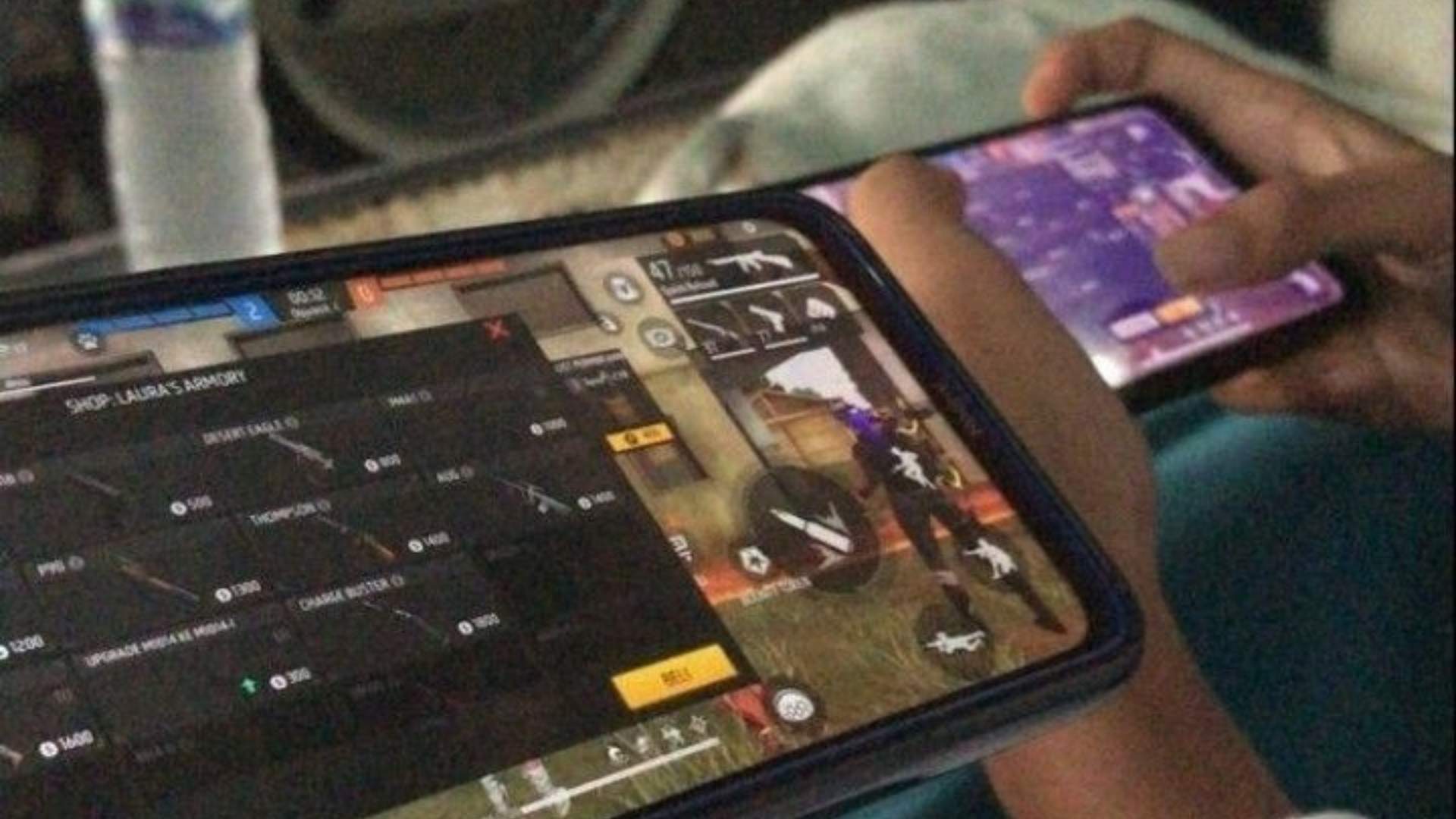
The mobile gaming landscape has shifted dramatically, transforming standard portable screens into platforms for deep and intricate gameplay loops. Modern smartphones now possess the processing power necessary to handle sophisticated real-time tracking, complex physics, and fluid animations. As a result, developers are moving far beyond simple touchscreen commands to deliver truly immersive tactical scenarios for players on the go.
Evolution of Real-Time Tactical Combat
Early iterations of mobile action titles relied heavily on automated systems or static inputs that provided very little feedback to the player. Today, developers utilize advanced haptic responses and dynamic control positioning to make every sword swing or spell cast feel remarkably accurate. These changes ensure that success depends entirely on precision, spatial awareness, and muscle memory rather than sheer character statistics.
Furthermore, the integration of physical consistency in combat systems allows for layered strategies during intense matches. Players must learn to balance directional inputs with specific cooldown periods to outmaneuver their opponents effectively. This transition from passive participation to highly engaging real-time execution has fundamentally redefined user expectations across the industry.
The Depth of Skill-Based Progression
Engaging combat mechanics are nothing without a robust system that rewards continuous improvement and tactical experimentation. Many modern titles challenge users by introducing highly reactive artificial intelligence that adapts to repetitive patterns and forces players to alter their approach. This prevents the overall experience from becoming predictable and maintains long-term player retention.
To truly master these systems, enthusiasts frequently access dedicated community platforms to analyze framing data and optimal command strings. Finding reliable updates on patch adjustments or platform configurations is simple when utilizing resources like the M88 link login portal. Staying informed allows competitive individuals to fine-tune their strategies and maintain an advantage on the global leaderboards.
Balancing Complexity and Touchscreen Accessibility
One of the greatest hurdles for developers creating complex battle systems is mapping intricate commands onto a flat glass surface without cluttering the user interface. Successful titles solve this by using contextual gesture controls, where a simple swipe or prolonged press executes different tiers of movement. This hybrid approach ensures that newcomers can grasp the basic flow while giving veterans the tools needed for advanced play.
Additionally, modular hud designs allow players to customize their button layouts based on hand size and preferred grip styles. This focus on learnability and ergonomics bridges the gap between casual entertainment and professional-grade mobile esports. When controls feel natural, the barrier between the player and the digital battlefield completely disappears.
The Future of Multiplayer Engagement
As network technology continues to advance, synchronized multiplayer engagements have become smoother and more accessible than ever before. Real-time physics calculation across global servers minimizes latency issues, allowing for perfectly timed defensive counters and cooperative combos. These technical milestones encourage a highly collaborative ecosystem where team composition and communication dictate the outcome of a match.
Ultimately, the continuous evolution of interactive combat guarantees that the platform will remain a dominant force in digital entertainment. By focusing on mechanical depth, reliable network stability, and player agency, developers are shaping the future of competitive gaming. The era of mindless button mashing has officially passed, making way for genuine tactical mastery on portable devices.